



For 35-year-old Svetlana, whose name has been changed to protect her identity, the memory of her first childbirth is dominated by pain rather than joy.
“When people mention childbirth, that’s the only thing I remember,” she says.
Svetlana had prepared herself mentally for labor. What she hadn’t expected was to have tears sustained during delivery stitched without anesthesia, leaving her in excruciating pain.
Instead of remembering the happiness of welcoming her child, she recalls feeling vulnerable and helpless.
Her experience is far from unique.
About 20 accounts of women’s experiences in maternity hospitals across Armenia have been collected as part of the Safe Birth initiative and are being published on safebirth.ampop.am.
Although the incidents span different years and medical facilities, the stories reveal recurring patterns: pain being dismissed, humiliating treatment, medical procedures carried out without adequate explanation, and psychological pressure.
Many of these experiences fall under the broader concept of obstetric violence.
When the Consequences Extend Beyond the Maternity Ward
Obstetric violence is not limited to physical abuse. It can also include verbal humiliation, ignoring patients’ concerns, medical interventions without informed consent, and other forms of disrespectful or coercive treatment during maternity care.
Such experiences can leave women feeling powerless, even when childbirth involves no major medical complications.
The consequences may extend well beyond hospitalization, affecting mental health, family relationships and decisions about having more children.
Some women interviewed for the Safe Birth project said they no longer wanted to become pregnant after traumatic first deliveries, despite previously planning to have larger families.
Their accounts point to a potentially overlooked demographic concern: negative childbirth experiences may influence reproductive decisions.
While the project does not provide statistical evidence of how much such experiences contribute to Armenia’s birth rate, the testimonies highlight a factor worth considering in the country’s broader demographic policies.
Ethics and Technology: Telling Sensitive Stories Without Exposing Identities
The Safe Birth initiative is implemented by the Journalists for the Future NGO and Ampop Media, with support from the Democracy Development Foundation (DDF) and financial assistance from the Sigrid Rausing Trust.
From the outset, the project team recognized a central ethical challenge: how to document sensitive experiences of mistreatment without compromising the identities of the women sharing their stories.
Artificial intelligence became part of the solution.
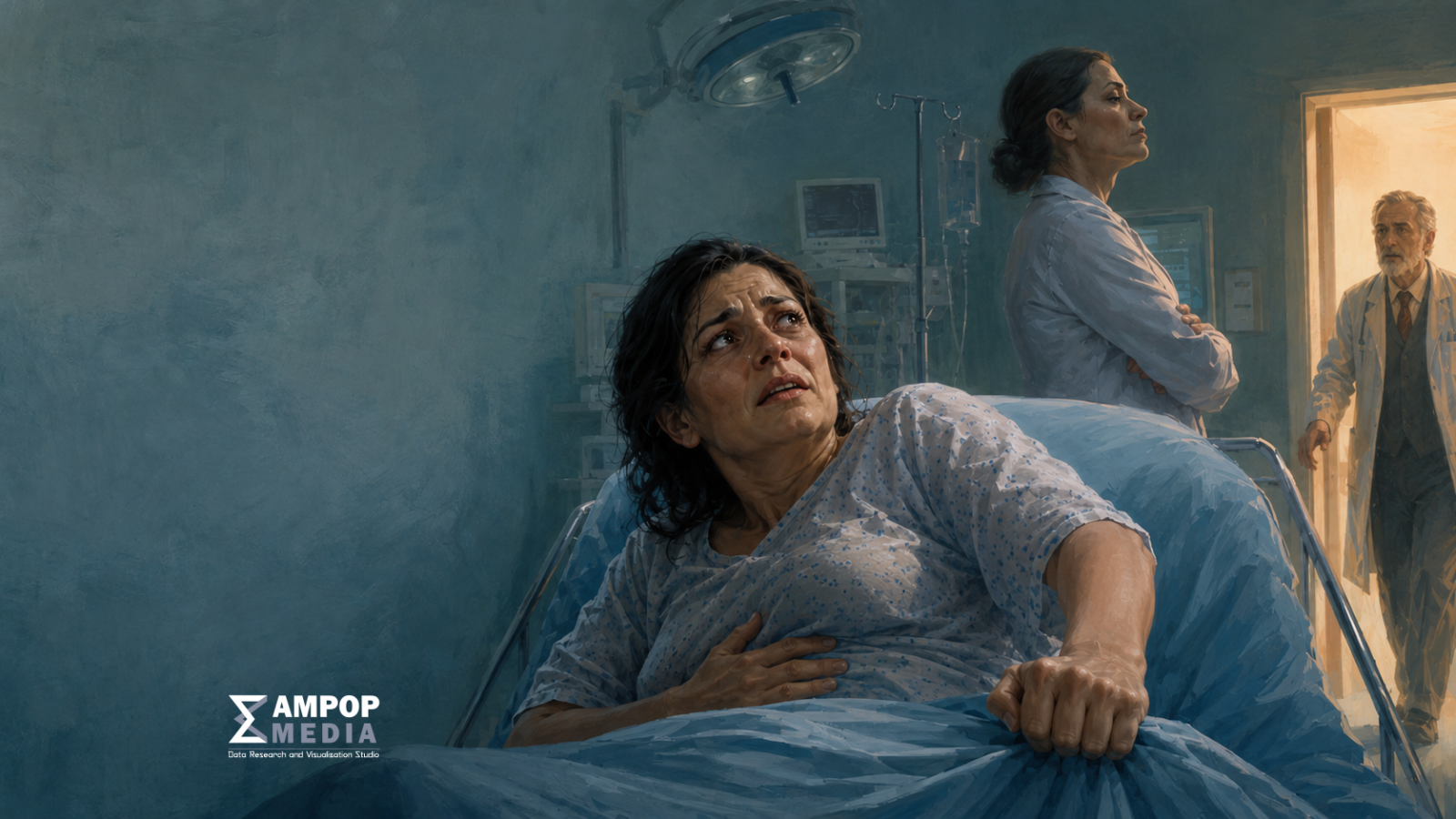
Rather than publishing identifiable photographs, the team used AI tools to create associative illustrations and animated videos based on the testimonies.
These visuals aim to convey the emotional atmosphere of the accounts and demonstrate the importance of patient-centered communication, while protecting the storytellers’ identities.
The animations also contrast harmful interactions with examples of how healthcare professionals could respond more respectfully and supportively in similar situations.
The AI-generated images and videos are artistic interpretations of real accounts, not documentary footage of the incidents.
The project also produced professional guidance for journalists on covering sensitive topics while respecting ethical standards, privacy and human dignity.
From Personal Testimonies to Professional Analysis
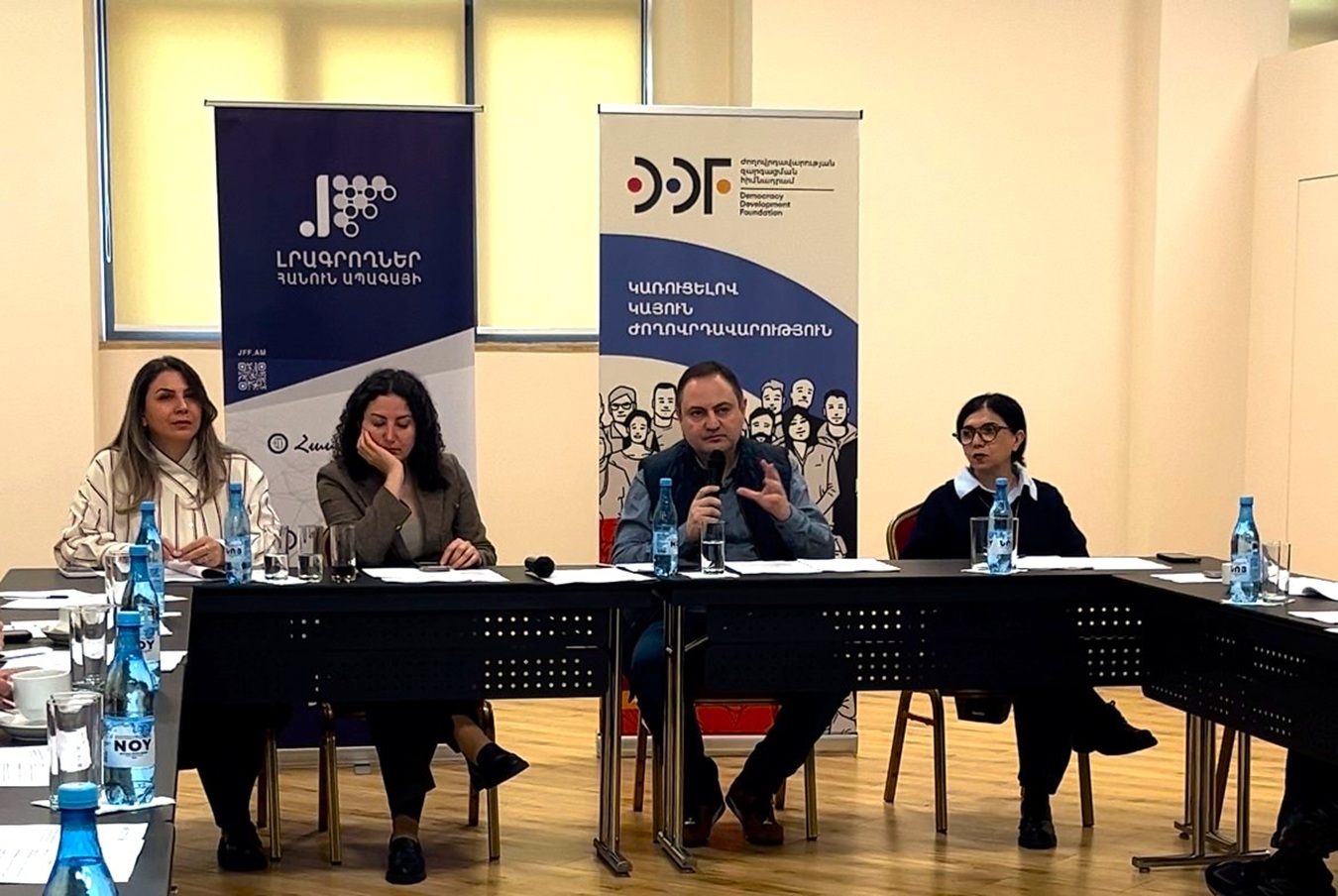
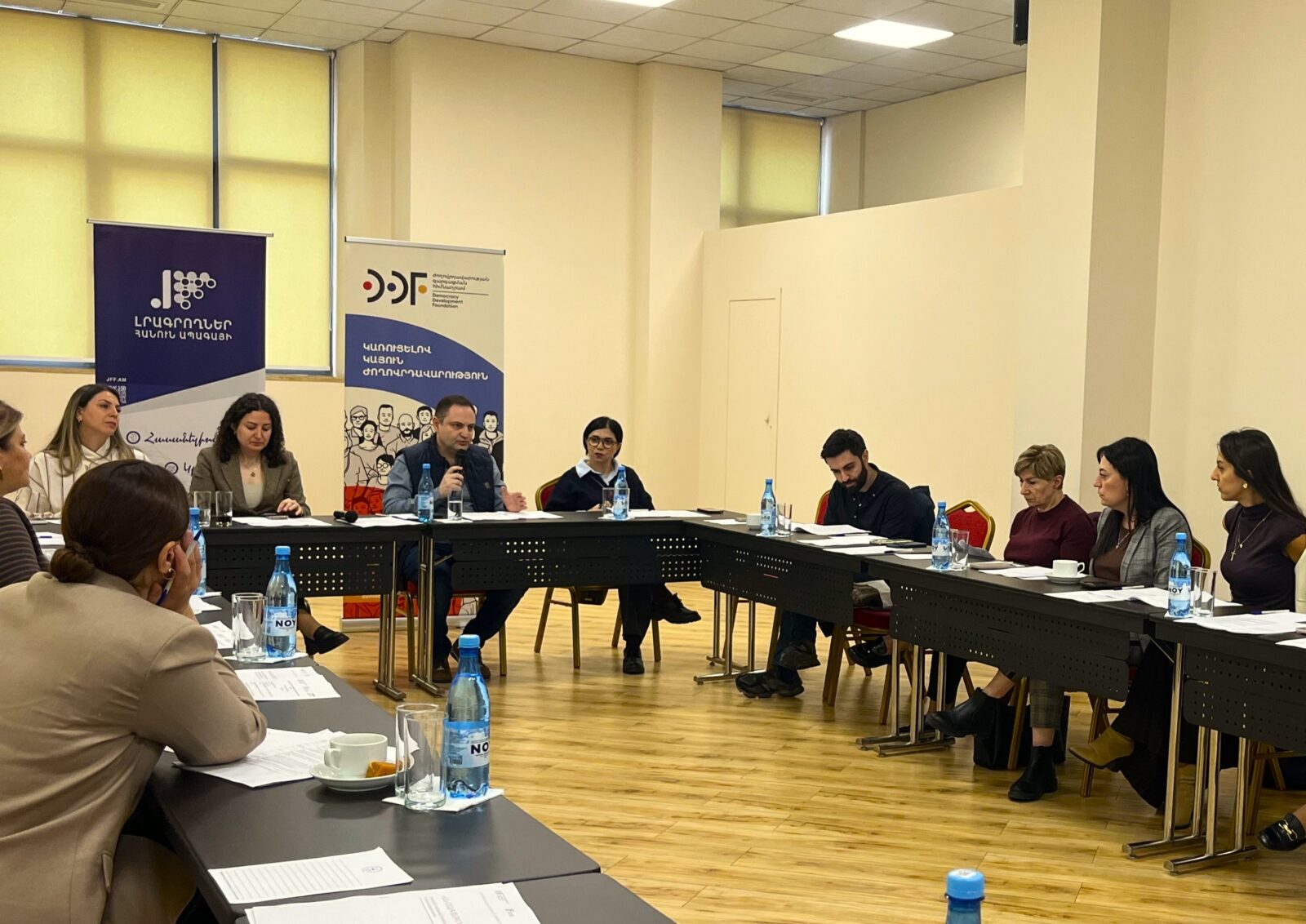
The first phase of Safe Birth concluded with a roundtable discussion in Yerevan on November 5, 2026, under the theme Safe Birth: Ethics and Professional Conduct in Maternity Care.
Healthcare professionals and representatives of government institutions, international organizations and civil society took part in the discussion.
The organizers presented a comprehensive report, Safe Birth: Legal and Psychological Analysis and Guidelines for Professional Conduct, based on the testimonies collected during the project.
Suren Deheryan, the project’s initiator and founder and editor of Ampop Media, highlighted the possible connection between obstetric violence and women’s decisions about having more children.
“If we want women not to be afraid of becoming mothers again, we need to think not only about the support provided after a child is born, but also about the environment in which that child enters the world,” Deheryan said.
Rights Exist on Paper, but Implementation Remains a Challenge
Violeta Zopunyan, a healthcare law specialist and the project’s legal expert, presented an analysis of patient rights in Armenian maternity care.
According to Zopunyan, Armenia already has legal provisions governing these rights, but their implementation is often incomplete.
Among the key concerns are informed consent, pain assessment and management, and a woman’s right to participate in decisions about her medical care.
“Consent is not simply a signed piece of paper,” Zopunyan said.
She emphasized that patients must receive clear, understandable information about medical interventions to make informed decisions.
The Psychological Cost of Disrespectful Care
Lilit Chobanyan, a perinatal psychologist, psychotherapist and the project’s psychological expert, examined the longer-term effects of negative childbirth experiences.
“The attitude and support of medical staff have an enormous impact on a woman’s emotional state and the quality of her childbirth experience,” Chobanyan said.
According to her analysis, traumatic experiences can lead to lasting psychological difficulties, including intense fear of another pregnancy or childbirth.
Chobanyan also stressed that healthcare professionals themselves need greater psychological support.
Heavy workloads, emotional exhaustion and occupational burnout can affect communication between medical staff and patients, making a broader, systemic response essential.
What Needs to Change? Proposed Standards for Maternity Care
The initiative aims to go beyond documenting negative experiences.
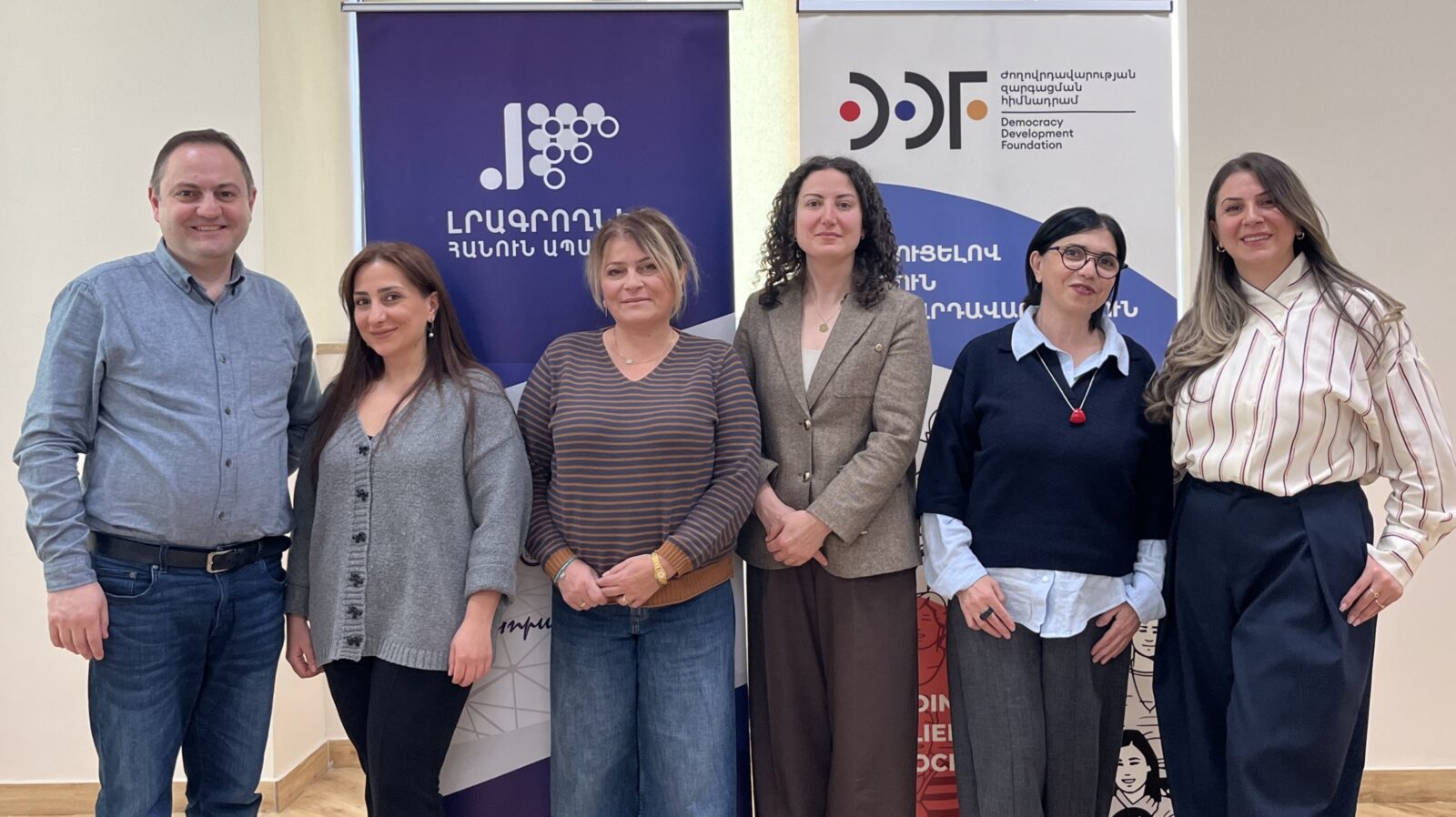
With input from legal and psychological experts, the project developed a draft set of professional conduct guidelines for maternity care, designed to strengthen respect for women’s dignity, informed consent and patient-centered communication in medical facilities.
The proposed guidelines were shared with relevant stakeholders during the November 5 discussion, with participants invited to provide professional feedback.
The document is intended as a basis for further consultation and refinement, rather than a set of standards already formally adopted by health authorities.
The Safe Birth digital platform is also expected to continue collecting testimonies, including positive examples of how compassionate, professional care can transform a woman’s childbirth experience.
The project’s longer-term goal is not to single out individual doctors or hospitals for blame. It is to identify recurring systemic shortcomings and encourage practical improvements in maternity care.
For the organizers, the underlying principle is simple: a maternity hospital should be a place where women receive not only quality medical treatment, but also respect, protection and a sense of safety.
Explore the stories and multimedia materials at safebirth.ampop.am
Copyright © Ampop.am / Reproduction or republication of Ampop Media content and audiovisual materials bearing its logo on other platforms requires prior authorization from Ampop Media and/or Journalists for the Future NGO.
Փորձագետի կարծիք
First Published: 11/11/2026