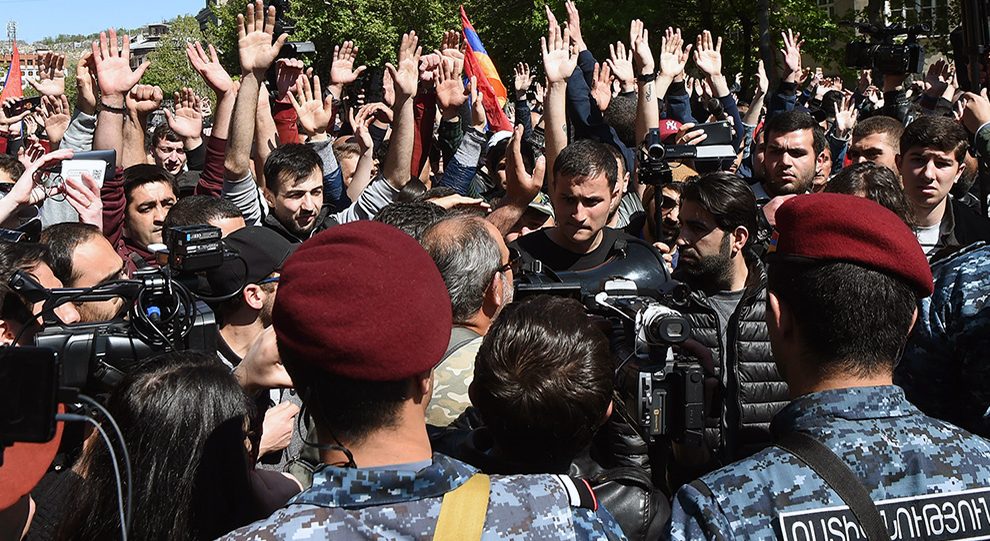


Civil disobedience protests have closed central streets in the Armenian capital, Yerevan. The protests grew especially intense on Monday, April 16, when thousands of protesters took to the streets, brought traffic to a halt.
Why?
People are protesting the announcement made on Saturday by...
Layout A (with pagination)
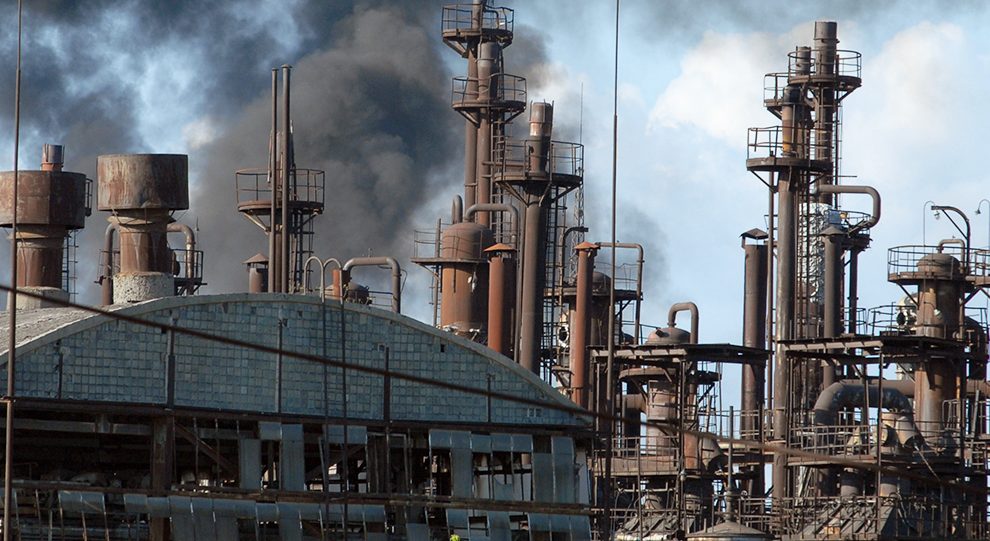
The synthetic rubber plant “Nairit” was opened in 1936 nearby Yerevan. It supplied 34 kinds of chemical products to the Soviet Union and Soviet-bloc countries in its most prolific years. “Nairit” was the engine of the Soviet Armenia’s economy and industry providing jobs...
Mining is one of the most important sectors of the Armenian economy; it has the largest share of exports constituting more than half the total value. On 9 March 2017, Armenia became a candidate country for the Extractive Industries Transparency Initiative (EITI). Candidacy means the...
About 900,000 people–nearly a third of Armenia’s population—are officially considered to be poor. This is according to 2015 data, which means that one out of every 3 citizens of the country is poor. The poverty rates for 2016 have not been published yet, but 0.2% economic growth...
Following Armenia’s Velvet Revolution of May 2018, the President of Armenia finds himself as Head of State in a country where the political forces that secured his election no longer prevail. Armen Sarkissian became President thanks to the constitutional maneuvers of outgoing...